Category Archives: Guest stories

Guest stories: John

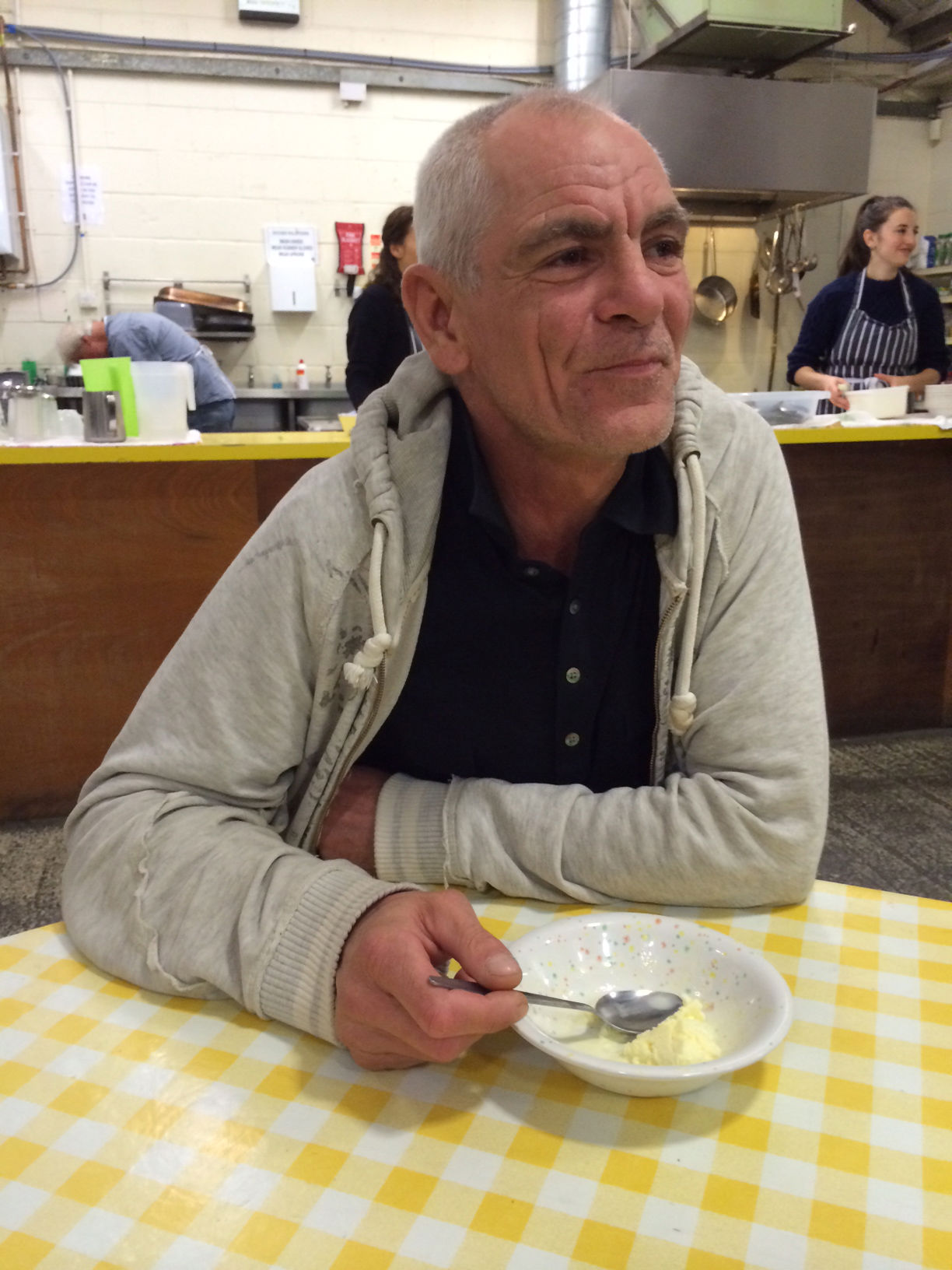
JohnJohn is a Cold War veteran.  He served with the British army in divided  Berlin in the early 1970s, which he still remembers as a great experience for a young man of 18.  He was born in Guyana and came to Britain when his mother sent for him, his brother and his two sisters when he was just 12.  “I didn’t know whether it would be a good move”, he says, “but it definitely broadened my horizon.”  John also did a tour of Northern Ireland, where he remembers being “slagged off as a black man.” He says he joined the forces as a way of staying out of trouble, having fallen in with what he describes as “some bad boys”. “Otherwise”, he reflects “I would have been in and out of prison”.

He’s proud of all the jobs he had after leaving the army: “I worked on the buses, at the Ford motor company in Dagenham, helped build fire extinguishers and prams”.  Just over 20 years ago, however, John fell on hard times after he was caught drink driving. He lost his job, got mixed up in drugs, was evicted from his home and ended up having to stay with friends.  “You can only do that for so long”, he says, which finally led to him being referred to SFTS.  John has only been at the Shelter for a short while. He describes it as “a good place, with friendly people”, and he appreciates the food that’s served up.  One thing he finds hard, however, is having to spend the day outside, as the Shelter only opens for the night.

John hopes to find some shared accommodation soon, then a place of his own.  Once he gets back on his feet, he would love to visit Guyana again.  He was last there in 1990 and, he muses, much will have changed.

Guest Stories: Euphemia

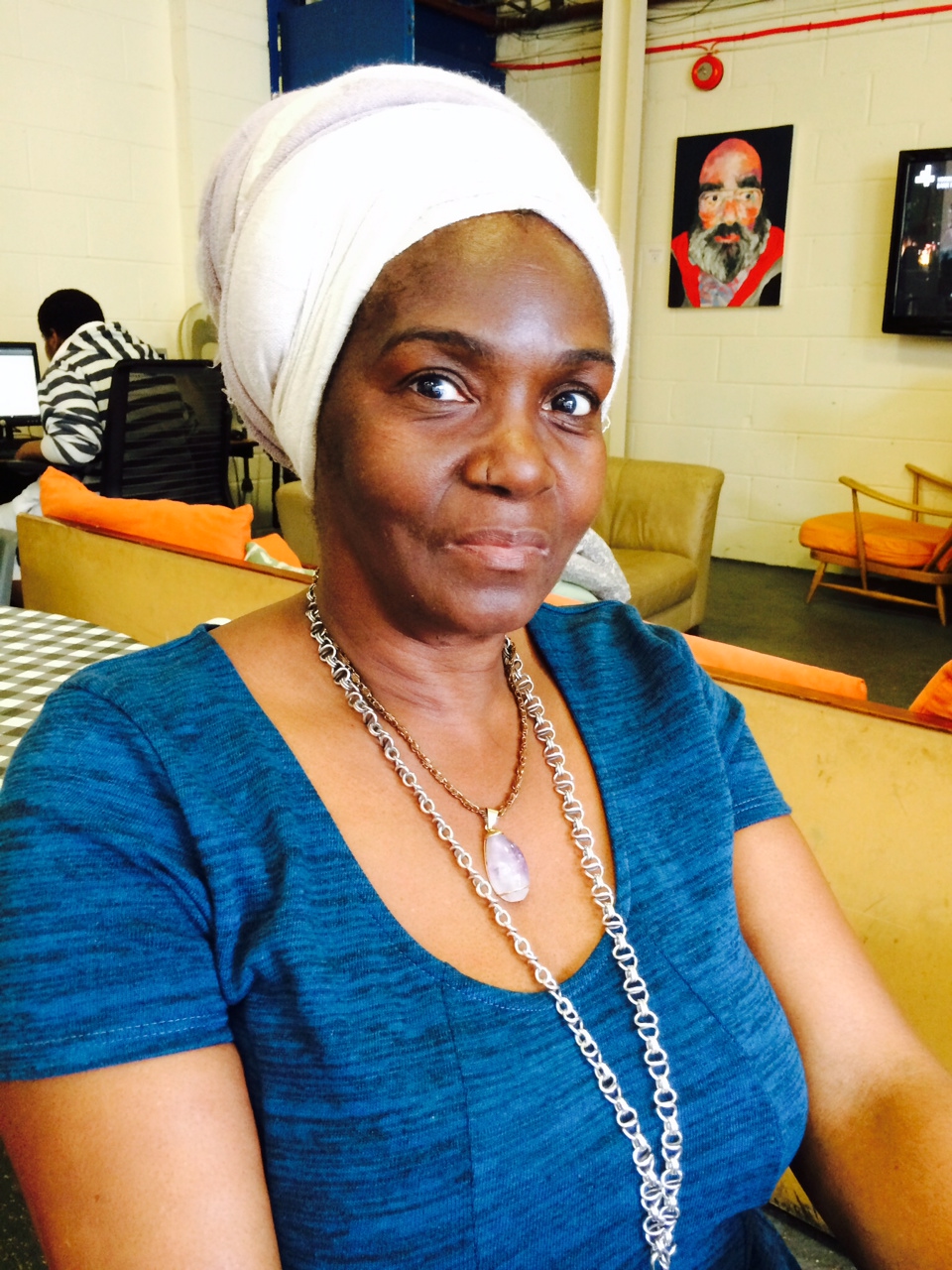
EuphemiaBorn in Jamaica and brought up in Birmingham, former beauty pageant winner Euphemia, 63, spent much of her adult life in Italy, only returning to the UK in 2012 after a family trauma. She wanted to be closer to her relatives and was looking forward to finding work, having previously run her own beauty store and held jobs in a toothpaste factory and at a travel agency.

“It turned out things had changed since I was last here and it was so hard to find a proper job,” she says.

“For a while I worked in a shop from 8am until midnight for just a hundred pounds a week. I also got offered a job working on a street stall but as I have health troubles it was not good to be outside all day”.

Euphemia has experienced problems with her kidneys since she was punched in a racist attack in 2006.

“I haven’t had an easy time but I try to smile and be there for others because we all have problems,” she says.

Some of the other women guests at the shelter call her ‘Auntie’ or ‘Mother’.

“I like that because my mother left me when I was two so I always try to share the love that I didn’t have”, she smiles.

Euphemia enjoys sewing, cooking and chatting but says her ideal job would be running a charity shop.

“My dream is to earn my own money again and to be able to hold a set of keys in my hand and unlock the door to my own room”.

Life on a zero hours contract

An anonymous account of life working on a zero hours contract by one of our guests

A zero hour contract is, as the name states, a contract that has no fixed hours. There is no actual contract. The way it works is very simple, you find an employment agency, most agencies offer zero hour contract work, sign up with them, and then the agency will call you to find out if you are available for a given job. The job can start at any time of day or night – 11am or 11pm or 3am – anytime. You have to be ready for the call of duty. The agency will ring, say they have work, then you have to be ready at the location whatever time is specified, that might be in the next half hour – or next few hours, the time usually depends on how far away the job might be. The work can be anywhere in or around London, any zone. Usually, I will use night busses to get there. Night busses are actually quite quick because at night there is no traffic.

An example of a recent job I did was in Barking. The agency called in the day to say there was a shift working in a warehouse, lifting etc., from 9.30pm to 2.30am. It took 3.5 to 4 hours to get there and the same to get back again. The pay is £6.19/hour. You pay for your own travel. I usually get a weekly bus pass which costs £19.60. A problem can be that you buy a bus pass for the week and then you don’t get any work from the agency – so your money is wasted.

The most regular shift I did was 3am to 7am at a warehouse. Generally shifts are 4-5hrs and they are always during ‘unfavourable’ hours, these are when nobody else wants to work. The only people who do it are doing it because they have no other choice.

However, despite it being really exhausting and regardless of how they treat you, I refuse to jump on the bandwagon of saying it’s criminal or exploitative. I’ve never signed on and would never do that. To me, that’s giving up, smooth sinking. Zero hour contracts are for the jobs that most people refuse to do, due to the unpredictability and the anti-social hours, but it at least helps you to keep up, to say working. You can use your ‘zero hour’ experience to help in applying for full-time work. It’s at least an option to keep working, while you look for more suitable things.

And it is a two-way thing. You can after all say you don’t want to take a job, though having said that, you then risk not being called again. The bottom line, however, is that you can withdraw your labour.

It’s a fact of commercial life in London. It’s not a new concept. These contracts have existed for ages – even when the economy was doing well. People want cheap goods, 24-hours day, this is how companies keep low prices and make big profits.

At the end of the day, you are an adult, you know you are doing these crap jobs so that you can exist whilst you looking for a better alternative.

I’m relieved that in the Autumn I start a normal warehouse job. I won’t say doing zero hours is a negative thing but I will say it was really hard, I was taking medication at night which would knock me out, nevertheless I knew that I just had to keep going and struggle to accept the jobs and keep working. I’d get woken up at all hours, I’d be so weak doing physical labour, but I’d just have to do it. You just have to battle on.


Guest Stories: Fernando

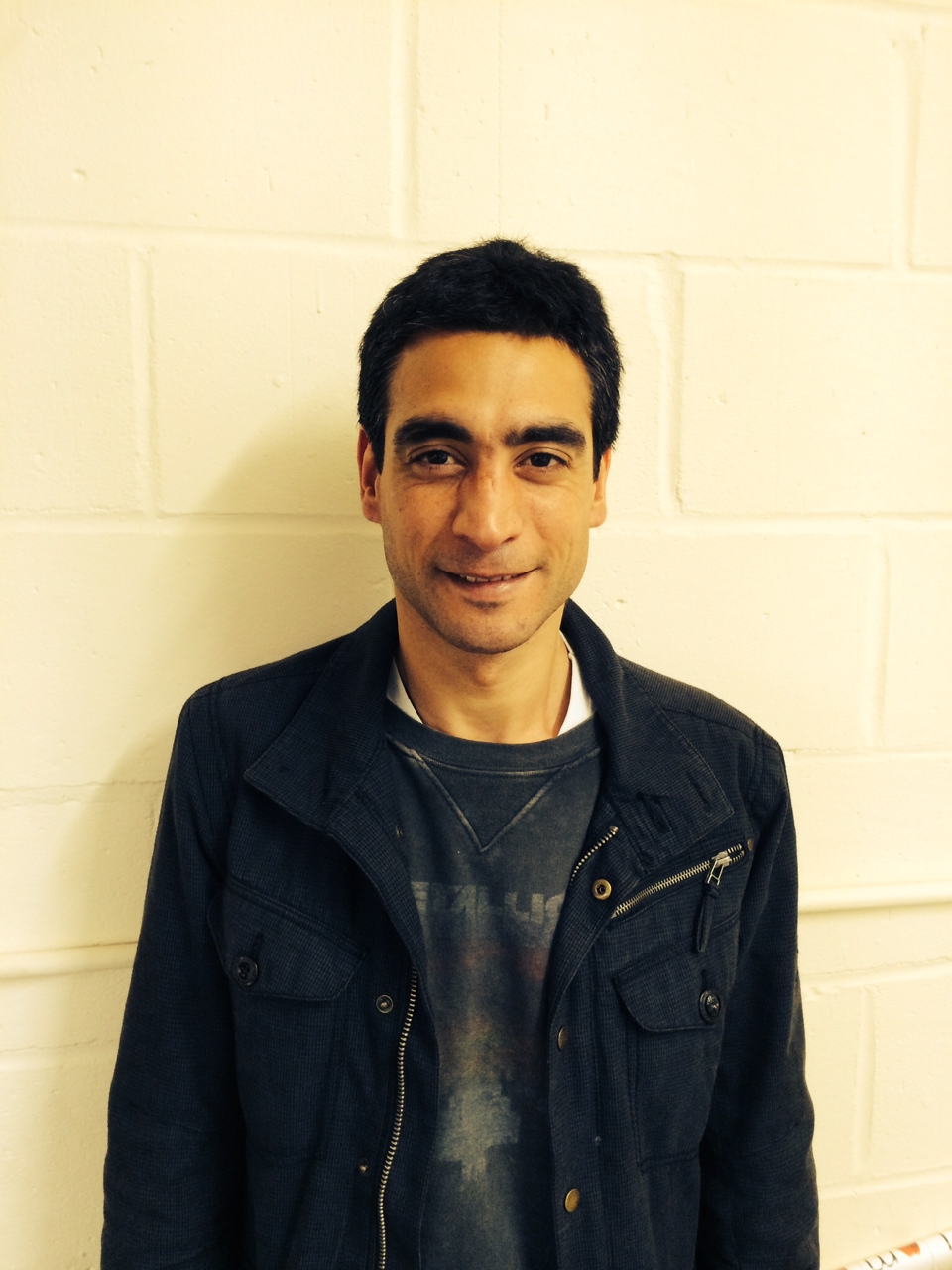
FernandoFernando, 35, arrived at the shelter three months ago and has already been working in the kitchen at Pret a Manger for four weeks. “I have the same timetable everyday,” he said. “It is nice because I can make more plans for the future. My favourite sandwiches to make are the ones I can do fast: egg and mustard and smoked salmon.”

This Spanish football fan is looking ahead to a very important date in June – the beginning of the |World Cup in Brazil. Fernando was bitten with the football bug aged 15 and has been an avid fan ever since. He supports Barcelona but also has a favourite English team, “When I was living in Spain I liked Liverpool,” he said. “But I didn’t know if Liverpool was in or outside London. I know now!”

Fernando spoke very little English when he arrived and is so happy to practise speaking with all the other guests and volunteers. But the highlight of his week is a call from his mother and the chance to talk with his young nephews Alejandro, 5 and Cayetano, 2.

Guest stories: Ayoke

Meet Ajoke, one of our former guests. When Ajoke joined us, she had been rescued from sex trafficking. We provided a safe, caring environment in which to sleep and, as our guest, we supported her through her pregnancy and secured legal representation for her, which enabled her to gain leave to remain. She recently moved into her own flat but visits regularly – mother and baby are doing well.

Guest stories: Leslie

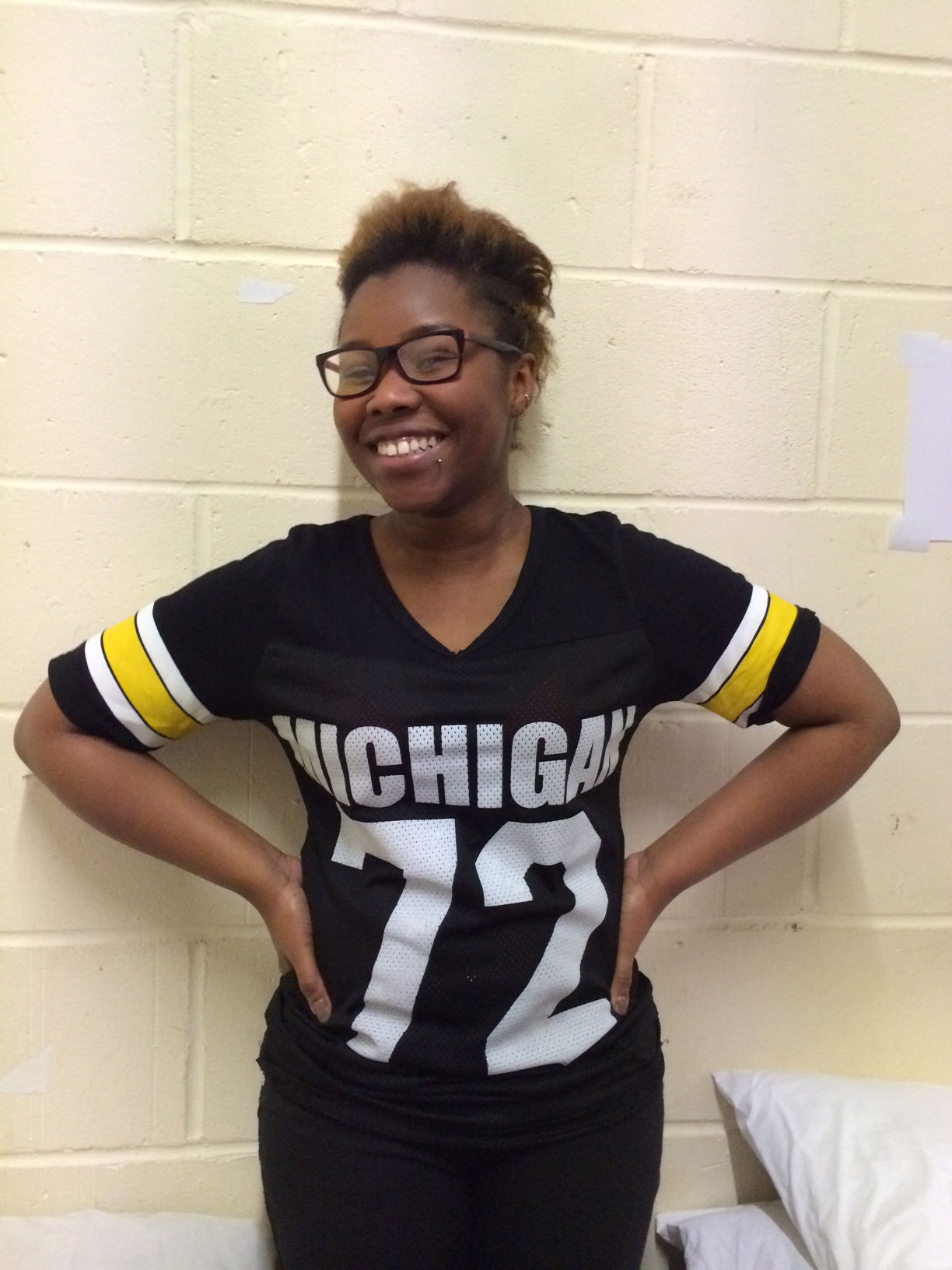
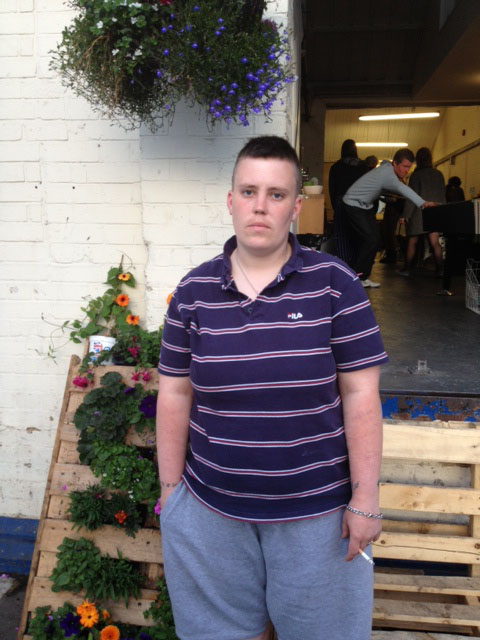
LeslieLeslie is just 18, she says she and her Mum just didn’t understand each other. They fell out loads of times until finally her Mum hit her and threw her out.

Leslie is studying Art and Design in Fashion at college which she loves, but it’s really difficult to concentrate on your lessons when you’re homeless.  She has a 6 year old cousin who came to live with them when her uncle died and she really misses him but she hasn’t been invited back for Christmas.

Leslie says she’ll have a lovely Christmas with her friends at Shelter from the Storm; if she wasn’t here she says, she’d be walking the streets.

Guest stories: Nigel

NigelNigel’s been with the shelter for three weeks and back in the UK for six. Born in Maidenhead to east London parents, he left the country when he was younger – first moving to France for a girl, and then onto the US, where he stayed for 15 years. He describes living on the streets in San Francisco being like a mad house. He had no problems, except for a 10-strong gang that stole his backpack once. He was lucky and managed to get through. He was a barfly and moved to Key West and there he went to rehab – first to receive and then to help deliver it for the next three years as a volunteer. He met all sorts of people and when speaking with him, you get a glimpse of what he’s experienced – he’s had an interesting, difficult life and he tells his story without sadness or anger. It’s a story you want to hear.

He’s been a nomad for so long and while he’s glad to be back in England, he describes it as being “a bit frustrating”. Through the new residency test, he isn’t able to receive benefits for three months. He was homeless for three weeks before No Second Night Out managed to secure a space with us. He likes the shelter, the food and people are nice and he describes it as a godsend.

He’s working hard to find a job – he’s worked in various jobs from fruit picking, to factory work to odd jobs – so he can gather some money together and find a home. He keeps optimistic.

Guest stories: Nidal

NidalMy name is Nidal, I’m half Lebanese, half French. I was born and raised in the Congo. I graduated in journalism and for seven years I worked for two big French and Arabic newspapers. Three years ago I came to London to work for my Masters degree – the first two years were perfect, but then tragedy struck and my beloved Dad died of a sudden and unexpected heart attack.

My life went into tailspin. I started using drugs to ease the pain of my sorrow and before I knew it I was a slave, a prisoner trapped in my own body. With every smoke of my pipe, I was losing a friend, my family’s trust and support and finally my accommodation. I was homeless, chasing dealers in the street, thinking only about my next hit. I was surrounded by junkies and crack heads and I was petrified and ashamed to realize that I was becoming like them. After losing everything my freedom didn’t mean much; desperate for drugs I shoplifted and all I remember is the cold handcuffs on my wrists and the stinky smell of the previous criminals in the police cell.

I was in custody for five days but it felt like five years – I begged God to stop the agony of cold turkey.  When I was taken to court for sentencing I was staggered to find that the judge refused conditional bail unless I had an address where I could be electronically tagged. All my friends turned their backs on me, how could this be happening to me, I’m a journalist, a student, a nice middle class Lebanese girl and I was going to spend the next month in Holloway.

I thought my life was over, but then they told me a charity called Shelter from the Storm had agreed to give me a bed. After three weeks in the shelter I am overwhelmed by the love and support of the amazing volunteers. I don’t feel lonely or scared, I am surrounded by people who live their life to give to those less fortunate and for that I can’t thank them enough; thank them for giving me my life back.

Guest stories: Sharon

SharonSharon is 25 and has been living on her own since she moved out of her mum’s when she was 18. Sandra used to work in a butcher shop during the week, which she really enjoyed, especially being the only woman working amongst all men. She liked seeing the animals hung up (which she hopes doesn’t sound too weird!). She also used to work in a chip shop, which she enjoyed too, ‘especially on the weekend when you could see all the drunk people’. She is currently signed off for the next 6 months but she’s looking forward to being able to work again and would like to put in for her security license for security work.


She also is interested in tattoo art, she has 18 tattoos, and is hoping her partner will get her a tattoo starter kit. She has been with her partner for over a year, they are happily engaged and looking forward to moving in together and having children. They hope to get married in 2015. Sandra is currently working with Spires to get her own accommodation and ideally would like a one bedroom flat.


Sandra has been on the streets twice and says it is really, really scary, ‘you don’t want to go to sleep at all, in case you get robbed’. She likes the shelter because she feels safe and the other guests and staff are friendly, ‘there are people here to support you, almost like a family, and there is always someone there to talk. It’s important for everyone to have someone to talk to.’


Sometimes, she can however, find the shelter a bit too much to handle, it can be busy and noisy, but if she listens to music, she can find a bit of personal space and feels better.

Guest stories: Ben

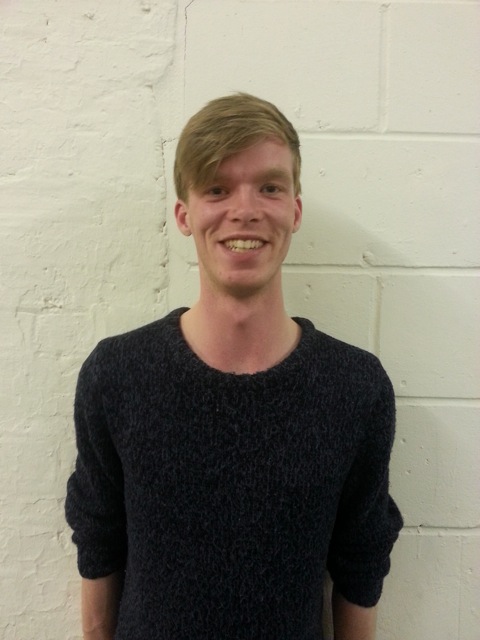
Ben20130521_214415Ben can often be found entertaining the other guests with his incredible piano playing. He’s self-taught and, although he plays popular music, he’s also gifted in making up tunes which other guests sing along to – here’s an example.

He’s 21 and had been living by himself since he was 15, which is when he also started work, wanting to make it on his own. He moved over from California to work as a modelling coach but then lost his job, which led him to being on the streets for a week, an experience he describes as “tough and kind of scary”. It’s typical of him to downplay the hard times – his friendly personality has made him a popular member of the shelter.

New Horizons referred him to us about a month ago and he’s now working as a waiter at the Chelsea football club – although his dream is to become a nurse – and is hopeful that when he can afford to, he can move out and pursue this.